Linux From Scratch Build Linux Your Way, From the Ground Up

Linux From Scratch

Build Linux Your Way, From the Ground Up

Latest Articles

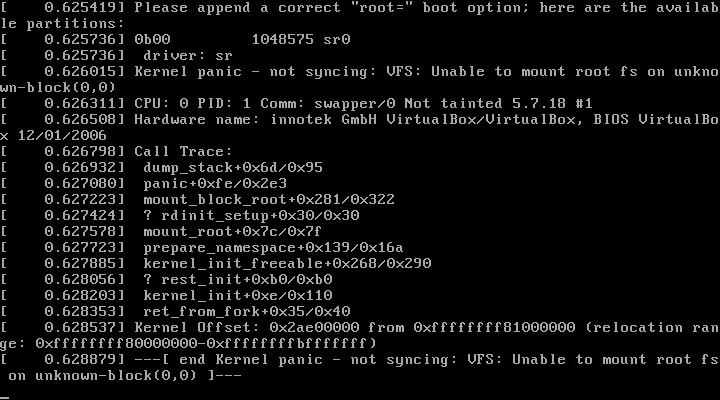
When Chapter 6 Breaks: A Field Log of a 48-Hour Toolchain Collapse and the Method That Fixed It
Technical Guides

When Chapter 6 Breaks: A Field Log of a 48-Hour Toolchain Collapse and the Method That Fixed It

A routine LFS build unravels into two days of cascading compilation failures, and the only way out is a disciplined forensic approach. This log walks through the exact methodology — error triage, binary inspection, and the judgment call of when to rebuild from scratch rather than patch forward.
Beyond the Book's Minimums: What Your Build Machine Really Needs in 2024
Technical Guides

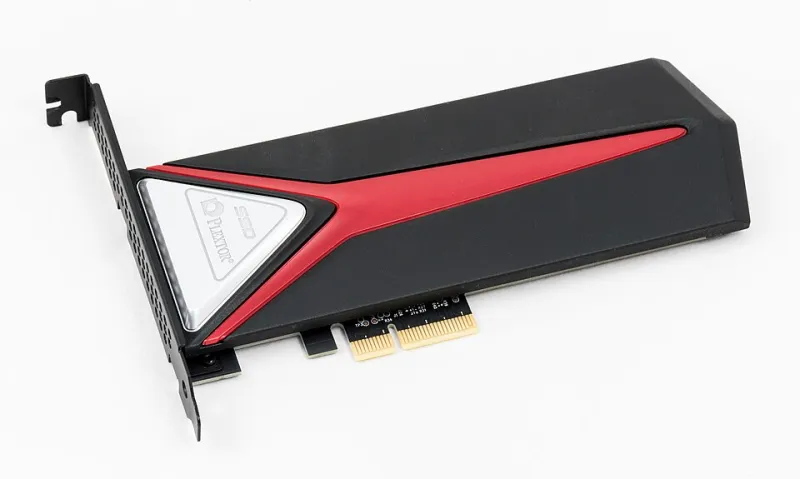
Beyond the Book's Minimums: What Your Build Machine Really Needs in 2024

The LFS book's hardware recommendations carry the fingerprints of an older computing era, when 4GB of RAM was generous and swap space was a genuine necessity. We benchmarked toolchain builds across NVMe, SATA SSD, and spinning rust to find out what actually matters now.

Ask Your Kernel Anything: Building Native Observability Into a System You Compiled Yourself
Technical Guides

Ask Your Kernel Anything: Building Native Observability Into a System You Compiled Yourself

On a distribution, observability means installing agents that guess at what your system is doing. On an LFS build, you wrote every line — so why not teach the system to report on itself? This guide walks through reading /proc directly, attaching eBPF probes, and assembling a lean monitoring daemon with zero external dependencies.

CVE Season Never Ends: Building a Personal Update Discipline for Source-Compiled Systems
Technical Guides

CVE Season Never Ends: Building a Personal Update Discipline for Source-Compiled Systems

When glibc or OpenSSL ships a critical patch, hand-built systems can't simply run 'dnf upgrade' and move on. This guide walks through constructing a repeatable update workflow — from monitoring security advisories to scripting dependency-aware rebuilds — so your bespoke Linux installation stays a maintained asset rather than a slow-motion liability.

The Container Question: What LFS Builders Gain (and Lose) When They Dockerize Their Own Work
Technical Guides

The Container Question: What LFS Builders Gain (and Lose) When They Dockerize Their Own Work

Containerization promises abstraction, yet the engineers who understand Linux most intimately are often the ones asking what that abstraction costs. We spoke with LFS veterans who run hand-built hosts underneath container fleets to find out where the two philosophies collide — and where they quietly cooperate.

Taking Command of the First Second: Bootloader Craftsmanship for Hand-Built Linux
Technical Guides

Taking Command of the First Second: Bootloader Craftsmanship for Hand-Built Linux

Copying a working GRUB configuration is the path most LFS builders take, but the boot process remains one of the last fully customizable layers of a from-source system. This guide compares building GRUB, Limine, and direct EFI stub setups from scratch, and weighs each option's impact on boot time, disk encryption, and recovery.

Two Days, Zero Regrets: A Timed Experiment in Building LFS at Full Speed
Technical Guides

Two Days, Zero Regrets: A Timed Experiment in Building LFS at Full Speed

Most builders measure their first LFS installation in weeks; this author measured it in hours. A stopwatch-driven case study reveals where a hand-compiled Linux build actually spends its time — and which acceleration tactics are safe, sketchy, or outright sabotage.

Your System, Your Rules: Wiring a Real Package Manager Into a Hand-Built LFS Base
Technical Guides

Your System, Your Rules: Wiring a Real Package Manager Into a Hand-Built LFS Base

You compiled every line of your system — now what happens the first time you need to patch glibc? This hands-on guide compares pacman, Nix, and dpkg as add-on package managers for a fresh LFS install, scoring each on footprint, complexity, and philosophical fit.

Nothing Proprietary, Nothing Missing: Assembling a Zero-Cost LFS Toolchain
Technical Guides

Nothing Proprietary, Nothing Missing: Assembling a Zero-Cost LFS Toolchain

An LFS build demands a surprising range of tools — editors, partitioners, disk imagers, version control — and none of them need to cost a cent. This walkthrough maps every stage of the build to a free software equivalent, proving that a fully open toolchain is within anyone's reach.

Three Packages, One Foundation: Understanding the Glibc-GCC-Binutils Triad Before Your Next Build
Technical Guides

Three Packages, One Foundation: Understanding the Glibc-GCC-Binutils Triad Before Your Next Build

Every LFS system rests on three packages that most builders install without a second thought. We trace how version choices among Glibc, GCC, and Binutils ripple through build success, runtime performance, and long-term compatibility — and offer a framework for deciding when to stay conservative and when to push forward.

The Last Line of Trust: Why Stage-Zero Bootstrapping Is the Final Frontier of Self-Built Linux
Technical Guides

The Last Line of Trust: Why Stage-Zero Bootstrapping Is the Final Frontier of Self-Built Linux

Standard LFS builds still depend on a host distribution's precompiled binaries to get off the ground. This deep dive examines stage-zero bootstrapping — from GNU Mes to live-bootstrap environments — and explains why eliminating binary trust anchors is the logical endpoint for builders who want a provably self-hosting system.

Resurrect the Machines in Your Closet: Turning a Retired Laptop into a Full LFS Build Lab
Technical Guides

Resurrect the Machines in Your Closet: Turning a Retired Laptop into a Full LFS Build Lab

That dusty ThinkPad or Latitude sitting in a drawer is more than e-waste — it is a fully capable laboratory for building Linux from source. This guide walks through hardware preparation, realistic compile times, and the quirks you will encounter when your build host predates your Linux career.

Putting Your LFS Build to Work: A Homelab Operator's Guide to Running Real Services Without the Safety Net
Community & Careers

Putting Your LFS Build to Work: A Homelab Operator's Guide to Running Real Services Without the Safety Net

Completing an LFS build is one milestone; running actual workloads on it is another challenge entirely. This guide addresses the operational realities facing homelab builders who want to host databases, web servers, and containerized applications on their custom systems—covering monitoring, incident response, and the hardware-specific tuning that separates a stable service from a frustrating one.

Caught in the Dependency Web: When Hand-Built Systems Still Force You to Start Over
Technical Guides

Caught in the Dependency Web: When Hand-Built Systems Still Force You to Start Over

Building a Linux system from source is a profound exercise in control—until the moment a version conflict in a common utility unravels hours of careful work. This guide examines the structural reasons LFS builders repeatedly encounter dependency friction, and offers concrete frameworks for deciding when compiling from source is the right call and when it simply is not.

The Reckoning Arrives: What Experienced LFS Builders Learned After Skipping Package Management
Community & Careers

The Reckoning Arrives: What Experienced LFS Builders Learned After Skipping Package Management

The appeal of a hand-curated Linux system with no package manager overhead is real—until the day you need to patch a critical vulnerability across forty interdependent libraries you compiled by hand eighteen months ago. Veteran builders share the moments they reconsidered, and what they put in place afterward.

One Book, Two Machines, Two Different Systems: Confronting Reproducibility in LFS Builds
Technical Guides

One Book, Two Machines, Two Different Systems: Confronting Reproducibility in LFS Builds

Two developers follow the same LFS instructions, on the same day, using the same source tarballs—and still end up with binaries that differ at the byte level. Understanding why this happens, and what to do about it, is one of the most consequential challenges facing teams that deploy hand-compiled Linux systems in production.

Blind Spots in the Build Chain: Closing the Security Gap in Hand-Compiled Linux Systems
Technical Guides

Blind Spots in the Build Chain: Closing the Security Gap in Hand-Compiled Linux Systems

Building every component from source grants extraordinary control over your Linux system, but that same autonomy can quietly introduce significant security blind spots. Without automated patch management, LFS builders must establish deliberate workflows to track vulnerabilities, audit their toolchains, and ensure that nothing slips through the gaps. This guide examines the structural security challenges unique to custom-compiled systems and offers actionable strategies for addressing them.

Beyond x86: A Practical Guide to Cross-Compiling LFS for ARM, RISC-V, and Embedded Targets
Technical Guides

Beyond x86: A Practical Guide to Cross-Compiling LFS for ARM, RISC-V, and Embedded Targets

Linux From Scratch was conceived on x86 hardware, but its methodology translates remarkably well to ARM single-board computers, RISC-V development boards, and a wide range of embedded platforms. Cross-compiling an LFS system for a foreign architecture introduces a distinct set of toolchain challenges, but the payoff—a fully understood, minimal Linux environment running on custom hardware—is well worth the effort. This guide walks through the process from toolchain construction to first boot on n

Keeping the Lights On: Long-Term Maintenance Strategies for Custom LFS Systems in Production
Community & Careers

Keeping the Lights On: Long-Term Maintenance Strategies for Custom LFS Systems in Production

Building a Linux From Scratch system is an accomplishment. Keeping it secure, functional, and maintainable over years of production use is an entirely different discipline. Drawing on the hard-won experience of developers who have run LFS systems in live environments for half a decade or more, this article lays out the tooling choices, workflow patterns, and philosophical shifts that separate sustainable custom Linux deployments from expensive one-way experiments.

Diminishing Returns in the .config File: A Pragmatic Guide to Kernel Tuning for LFS Builders
Technical Guides

Diminishing Returns in the .config File: A Pragmatic Guide to Kernel Tuning for LFS Builders

Kernel customization is one of the most compelling reasons to build Linux from scratch, but the line between meaningful optimization and counterproductive tinkering is thinner than many builders expect. This guide examines real-world performance data, common configuration pitfalls, and a decision framework to help LFS developers invest their tuning effort where it genuinely counts.